How to handle photo consent and opt-out attendees at corporate events
For event organisers, the excitement of a sell-out conference or a high-energy gala is often tempered by a logistical headache: GDPR compliance. In a world of strict data privacy, the question of who you can and cannot photograph is no longer just about aesthetics; it is about protecting your organisation from a potential legal challenge.
Navigating the rights of attendees while still capturing the buzz of the room requires a proactive strategy. As an experienced corporate event photographer, I know that managing these requirements does not have to compromise the quality of your final gallery.
1. Transparency starts at the ticket office
The most effective way to handle photography rights is to address them before the guest even arrives. Your registration page should include a clear statement informing attendees that a photographer will be present.
- The Approach: Include a clear Photography Notice in the terms and conditions or as a standalone tick-box during registration.
- The Benefit: This establishes the legal basis of Legitimate Interest under GDPR. It ensures no one is surprised by the presence of a camera, setting the expectation from day one.
2. The Visual Signage Strategy
Relying on a digital confirmation at the point of booking is not enough for large-scale venues. You must provide physical reminders throughout the space.
- The Approach: Place clear, branded signage at the entrance and registration desks stating that photography and filming are taking place.
- The Benefit: This provides a final opportunity for guests to raise any concerns with your staff. It also demonstrates to any regulatory body that you have taken reasonable steps to inform your audience.
3. The Lanyard System
The biggest challenge for a conference photographer is identifying who has opted out in a room of five hundred people. While some suggest stickers, these are easily hidden by jackets or fall off during the day. A discreet but highly visible cue is the industry standard.
- The Approach: Offer a specific, bright-coloured lanyard (such as red) for the name badges of those who do not wish to be photographed.
- The Benefit: Because a lanyard sits right near the face, it is easy for a photographer to spot instantly through the lens. It allows the team to scan a crowd and know which angles to avoid without disrupting the flow of the event.

4. Stage Managing the Front Rows
To ensure you still get those essential wide-angle audience shots that show the scale of your event, seating logistics are your best friend.
- The Approach: Try to stage-manage guests with no-photo consent away from the front few rows. By seating those with red lanyards further back or to the sides, you ensure the photographer can capture the speaker and the front of the audience without including opted-out guests in the primary hero shots.
- The Benefit: You get the high-impact marketing imagery you need while ensuring those who value their privacy remain comfortably out of the frame.
5. Proven Experience: Handling High Opt-Out Volumes
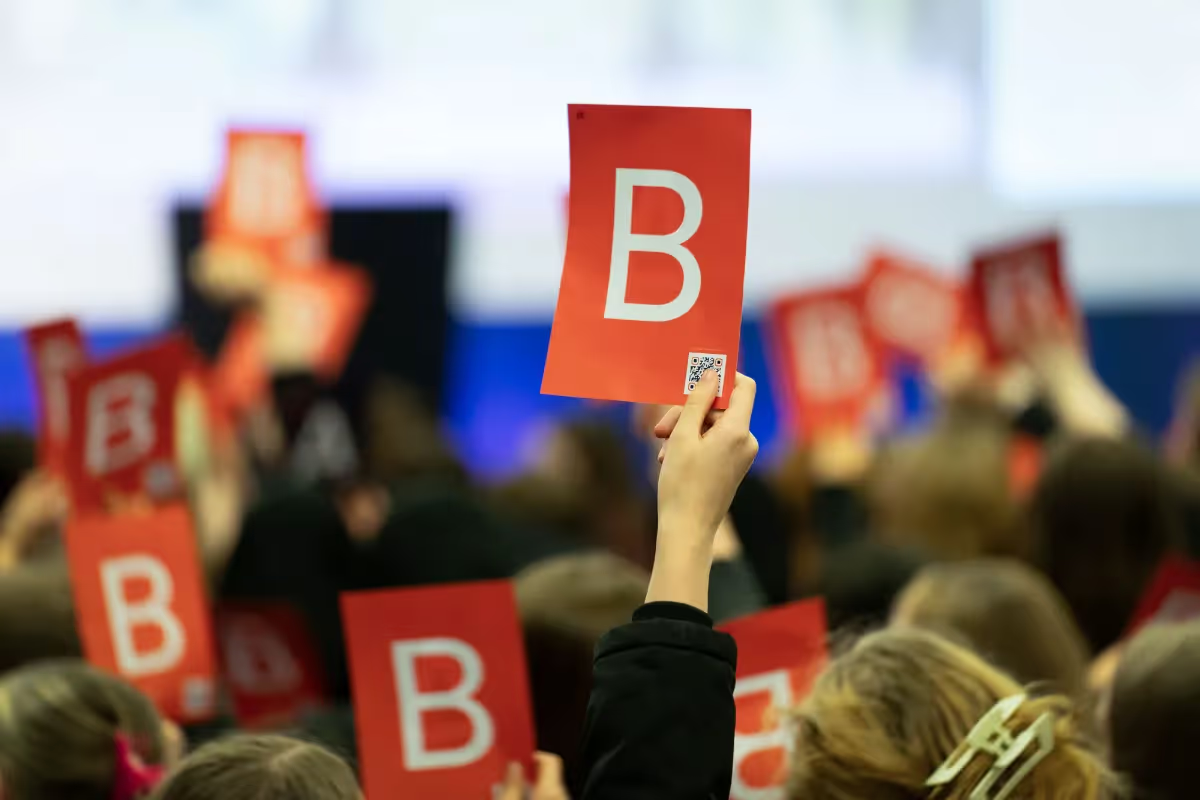
If you are worried that a high number of opt-outs will ruin your gallery, let me reassure you. We recently photographed a large-scale summit for schoolchildren where roughly 30% to 40% of attendees did not give consent for photography. This is likely the highest percentage an organiser will ever have to manage.
Despite these constraints, by using the systems mentioned above, we still managed to deliver a solid gallery of hundreds of final images that met the brief perfectly. It is entirely possible to respect privacy and still document the success of an event.
6. Briefing Your Photographer and Post-Event Audits
Managing opt-outs is a collaborative effort. Before the first guest walks in, your photographer should be fully briefed on your specific identification system. You can find more detail on this in our guide to writing a photography brief.
- The Approach: Ensure your photographer knows how to handle a direct request. Part of our professional service also includes a final audit of the gallery to check for any red lanyards before the images are delivered.
- The Benefit: Professionalism on the floor keeps guests feeling respected, and a final audit ensures the assets you receive are ready for immediate use.
GDPR does not have to mean a no-camera policy. With a clear system of communication and a professional team on the ground, you can capture the energy of your event while fully respecting the privacy of your guests.
Planning a large-scale event with complex consent requirements? Get in touch today to discuss how we can help you capture the day safely and professionally.
The information presented in this post is solely for information purposes. We do not provide legal advice we are not responsible for any errors or omissions. It is your responsibility to seek advice from a licensed professional. Any reliance you place on such information is strictly at your own risk.
Related insights

Get in touch to discuss your project and receive a free quote.
More insights & news
From creative vision to measurable results: explore our strategies for high-impact event coverage, brand consistency, and professional commercial production.

Photography Services
We specialise in professional imagery that tells your company’s story. While we are a leading event photographer in Manchester, we bring that same level of detail to capturing the people and personalities behind the brand.
From the energy of a major summit to the precision of a high-end executive session, we ensure every project is delivered with 15+ years of creative and technical expertise.