Briefing a photographer: how to write a photography brief

How to write a professional photography brief
A well-structured photography brief is essential for aligning your brand vision with a photographer’s technical execution. By detailing your project objectives, shot lists, and delivery expectations, you ensure your photographer arrives prepared with the right equipment and creative direction to capture high-impact assets for your business.
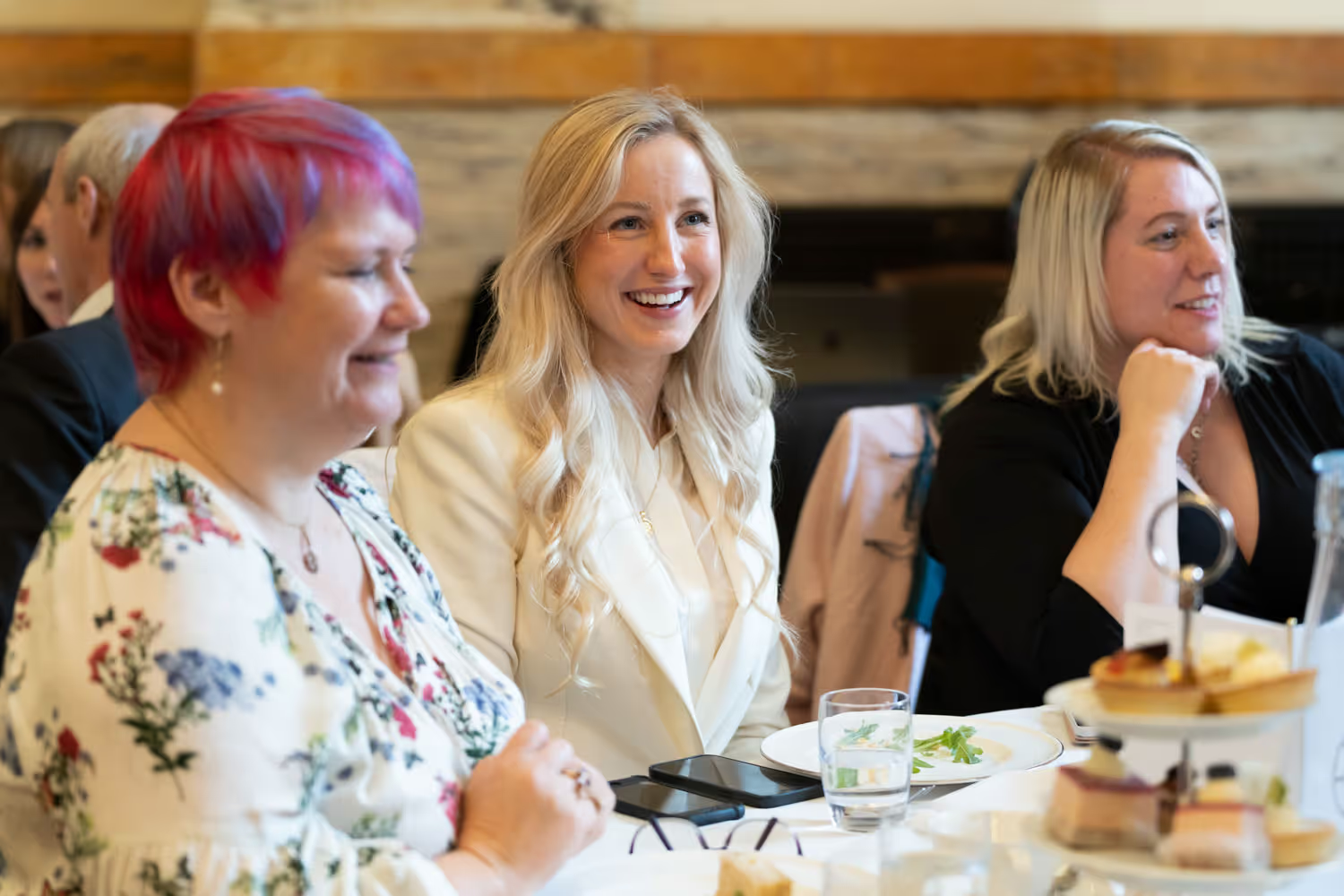
Briefing for a photographer can feel like a daunting task, especially if you have not hired a professional before. However, a good client brief is simply a roadmap. It provides the key information a photographer needs to make the logistical, technical, and creative decisions that result in a successful shoot.
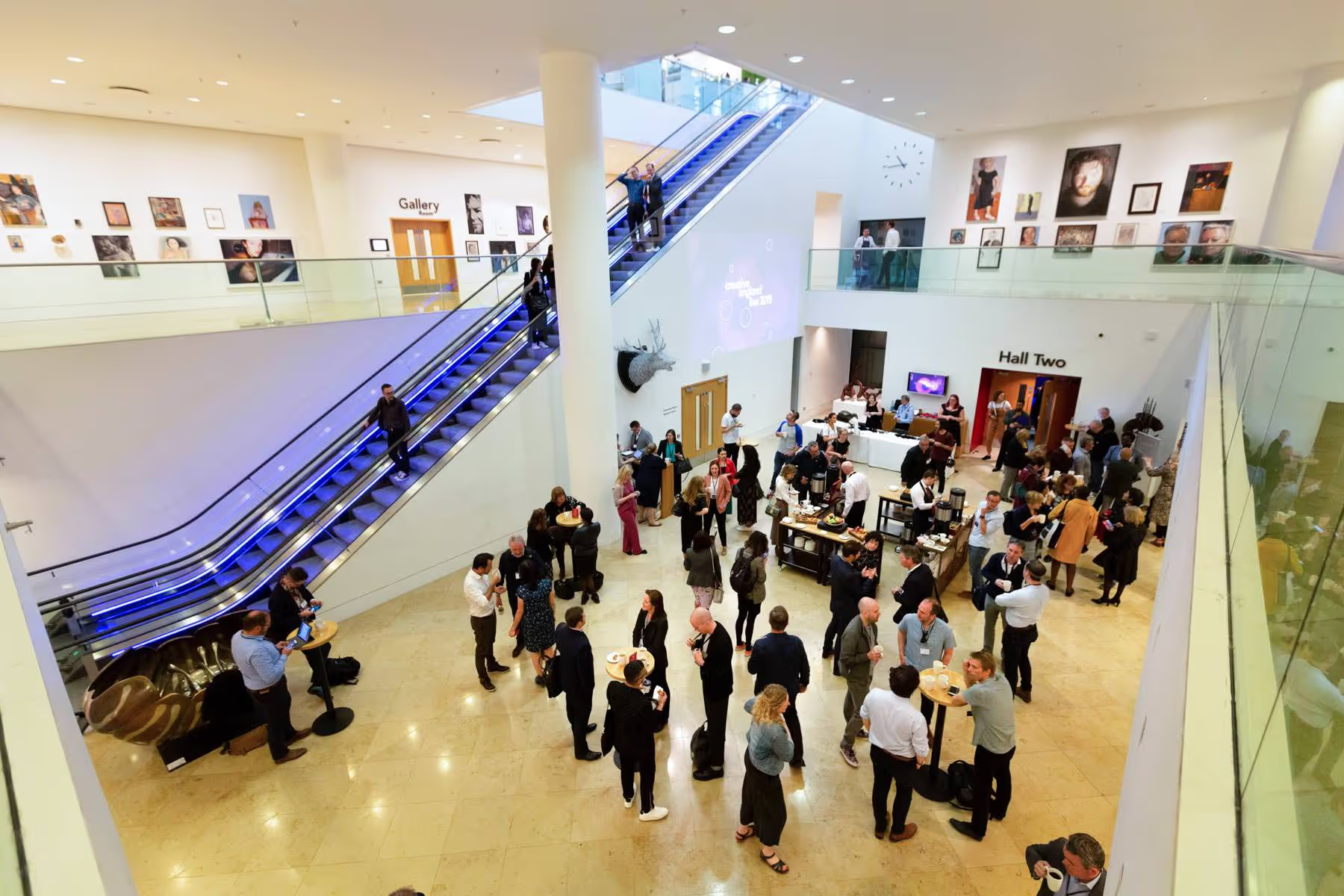
Whether you are planning a large-scale summit requiring a conference photographer or a quick session for new staff headshot photography, the quality of your results starts with the clarity of your instructions.
1. The fundamental logistics
Start with the basics to ensure the foundations of the shoot are solid. Every photo brief should clearly state:
- Who is the client? (Company name and brand values).
- The location: Full address and any specific access instructions.
- The schedule: Start and finish times, including a full running order or itinerary.
- On-site contact: The name and mobile number of the person responsible on the day.
2. Detail the environment and site visits
When writing your brief, think about the physical constraints of the location. For outdoor PR photography, is there a wet weather alternative? For indoor office shoots, are there large windows that might create difficult backlight?
For complex commercial shoots or large-scale conferences, a pre-shoot "recce" or site visit is highly beneficial. Seeing the venue beforehand allows a commercial photographer to map out power outlets, identify natural light hotspots, and plan for gear transport.
3. Brand background and visual references
Unless you have worked together previously, assume your photographer does not know your brand identity. Provide an introduction to your company and the project message.
Visual references are incredibly helpful. Platforms like Pinterest or Instagram are excellent for building a mood board. When sharing these, be specific: point out if you like the lighting in one image, the composition in another, or the "mood" of a third. This prevents guesswork and ensures we are on the same page creatively.
4. Defining the "Look and Feel"
If you are struggling to describe the style you want, use these common industry terms in your photography brief:
- Candid/Reportage: Unposed, natural shots that capture the spirit of an event.
- Editorial: Stylised and polished, often used for magazine features or website banners.
- High-Key: Bright, airy, and minimal shadows (common for modern office headshots).
- Low-Key: Moody, dramatic lighting with high contrast.
5. Technical specs: Aspect ratios and safe areas
If your images are intended for a specific use, such as a website hero banner, let your photographer know. Banners often require "negative space" to the left or right so that your web designer can overlay text. Knowing the intended aspect ratio (square for Instagram, wide for web, vertical for mobile) allows us to frame the shot correctly in-camera.
6. Usage and licensing
Photographers need to know where the images will be used to ensure the quote covers the correct licensing.
- Internal use: Training documents, intranet, and staff newsletters.
- Public/Commercial use: Website, social media, and PR.
- Paid Advertising: Billboards, print ads, or promoted social posts.

7. Defining your shot list
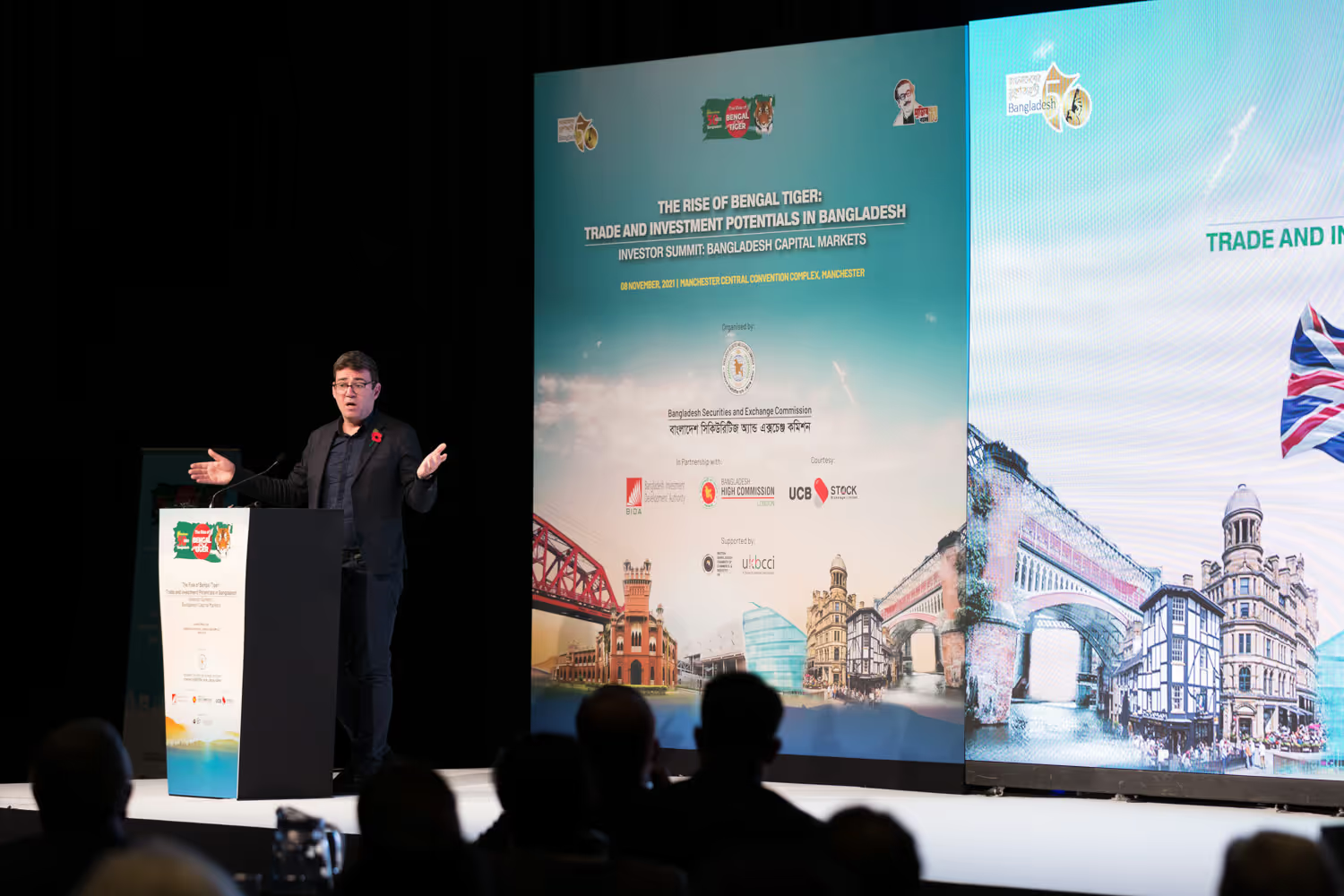
Think about every department involved. Your marketing team might need wide shots, while your PR agency needs tight, hero shots of a keynote speaker.
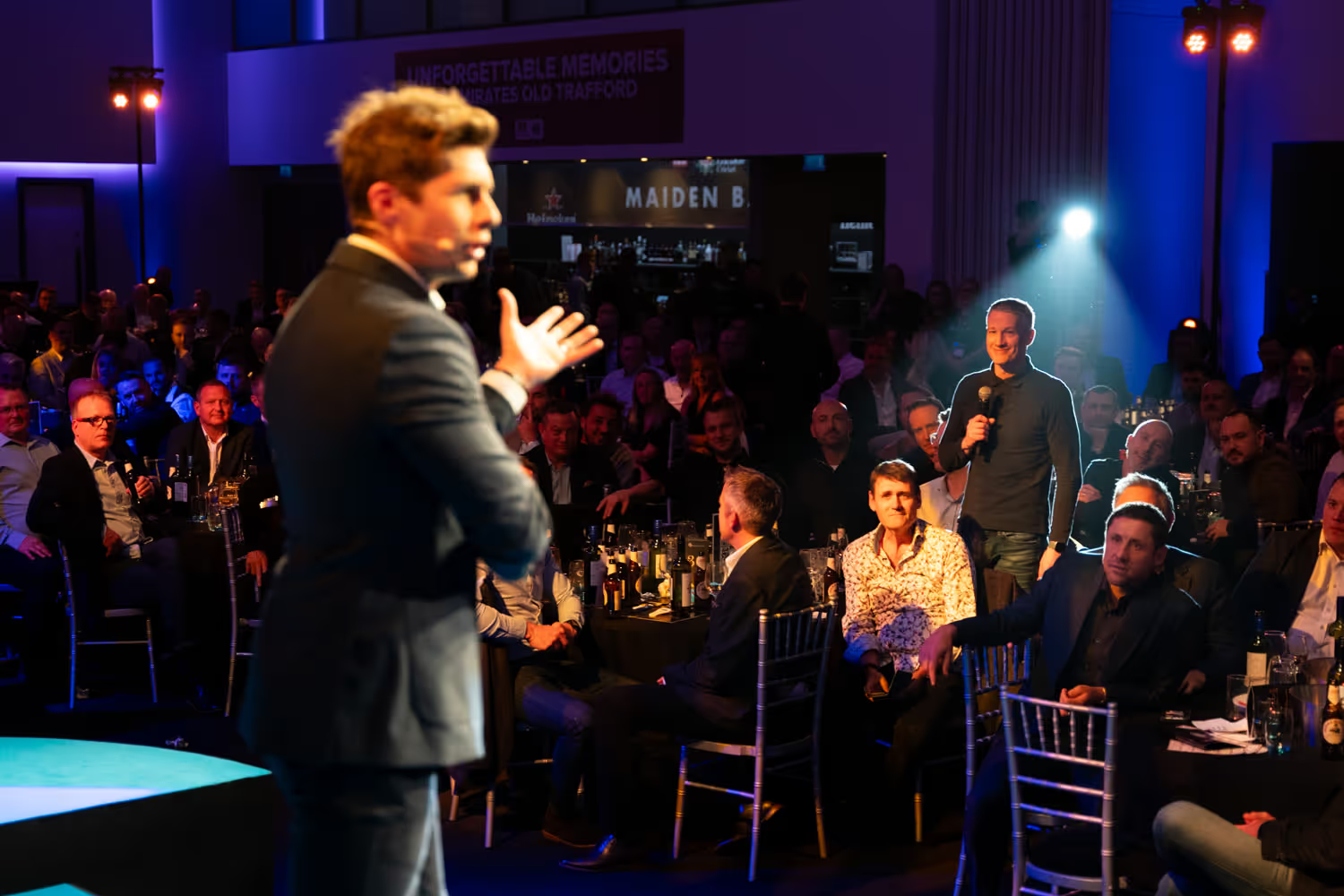
While a do not miss shot list is crucial for a corporate event photographer, try to avoid an exhaustive, minute-by-minute list. Give your photographer the pointers they need, but trust their professional judgement and creativity to capture the organic moments that often make the best images.
8. Briefing the "Talent" and on-site assistance
Assigning a fixer or a member of staff to meet the photographer can save significant time. Additionally, ensure you have briefed the people being photographed. Provide clear advice on dress code and call times so that staff or delegates are ready and positioned when the photographer arrives.

9. Equipment and setup expectations
A detailed brief helps your photographer choose the right gear. For some projects, we may need a mobile studio setup with lights and backdrops. For others, a lightweight "run-and-gun" setup is better for navigating fast-moving crowds at a conference.
10. Post-production and delivery
State your requirements for turnaround and editing. There is a difference between basic colour correction and high-end retouching (such as removing distracting fire exit signs or smoothing skin).
- Turnaround: Do you need a first look selection next-day?
- File types: High-resolution JPGs for print and low-resolution for web.
- Editing: At decoy, we provide a full set of edited images in 3-5 working days as part of our standard rates.
The 10-Point Briefing Checklist
Before you hit send on your brief, ensure you have covered:
- Client name and contact details.
- Full location address and parking/access info.
- Schedule and running order.
- Objective of the shoot (The "Why").
- Target audience (The "Who").
- Visual references or mood board.
- Key shot list (The "Must-haves").
- Usage/Licensing requirements.
- Technical specs (Aspect ratios/Banner space).
- Deadline for the final images.
Explore related insights from decoy:
- Managing GDPR and photography opt-outs at corporate events
- Our top 6 business headshot tips
- The ROI of professional photography for your business
Ready to discuss your next project? We are professional commercial and event photographers based in Manchester, working across the UK. Get in touch today for a free, no-obligation quote.
Get in touch to discuss your project and receive a free quote.
More insights & news
From creative vision to measurable results: explore our strategies for high-impact event coverage, brand consistency, and professional commercial production.

Photography Services
We specialise in professional imagery that tells your company’s story. While we are a leading event photographer in Manchester, we bring that same level of detail to capturing the people and personalities behind the brand.
From the energy of a major summit to the precision of a high-end executive session, we ensure every project is delivered with 15+ years of creative and technical expertise.