The Ultimate Guide to Hiring a Professional Event Photographer
Choosing the right photographer for your business event is about more than just finding someone who owns a high-end camera. In the fast-paced world of corporate gatherings, conferences, and brand activations, the difference between a mediocre set of images and a professional gallery lies in a specific blend of technical mastery, physical stamina, and social intuition.
As a working photographer, I have seen how high-quality imagery can transform a brand’s presence. Conversely, I have seen how poor photography can diminish the perceived value of a high-budget event. This guide is designed to help you understand what happens behind the lens and how to identify a professional who will deliver value long after the lights have gone down.
Moving Beyond the Portfolio
Any photographer can pull together a dozen or so "hero" shots to create a stunning portfolio. However, a portfolio is a curated highlight reel, not a guarantee of professional reliability. The true mark of a professional is the ability to deliver hundreds consistently shot and expertly edited images from a single event.
When you are vetting a photographer for conference photography, ask to see a full gallery from a previous booking. Look for consistency in lighting, sharpness, and colour across the entire set. You want to see that the energy in the final hour of the event matches the energy of the first. Consistency is the hallmark of a professional you can trust with your brand’s reputation. If the quality dips when the sun goes down or the room gets crowded, that is a red flag.
Reliability and the Fail-Safe Approach
In event photography, there are no second takes. If a CEO is giving a once-in-a-lifetime keynote or a ribbon is being cut, the photographer must get the shot on the first attempt. This requires a mindset focused on redundancy and reliability.
The Two-Camera Standard
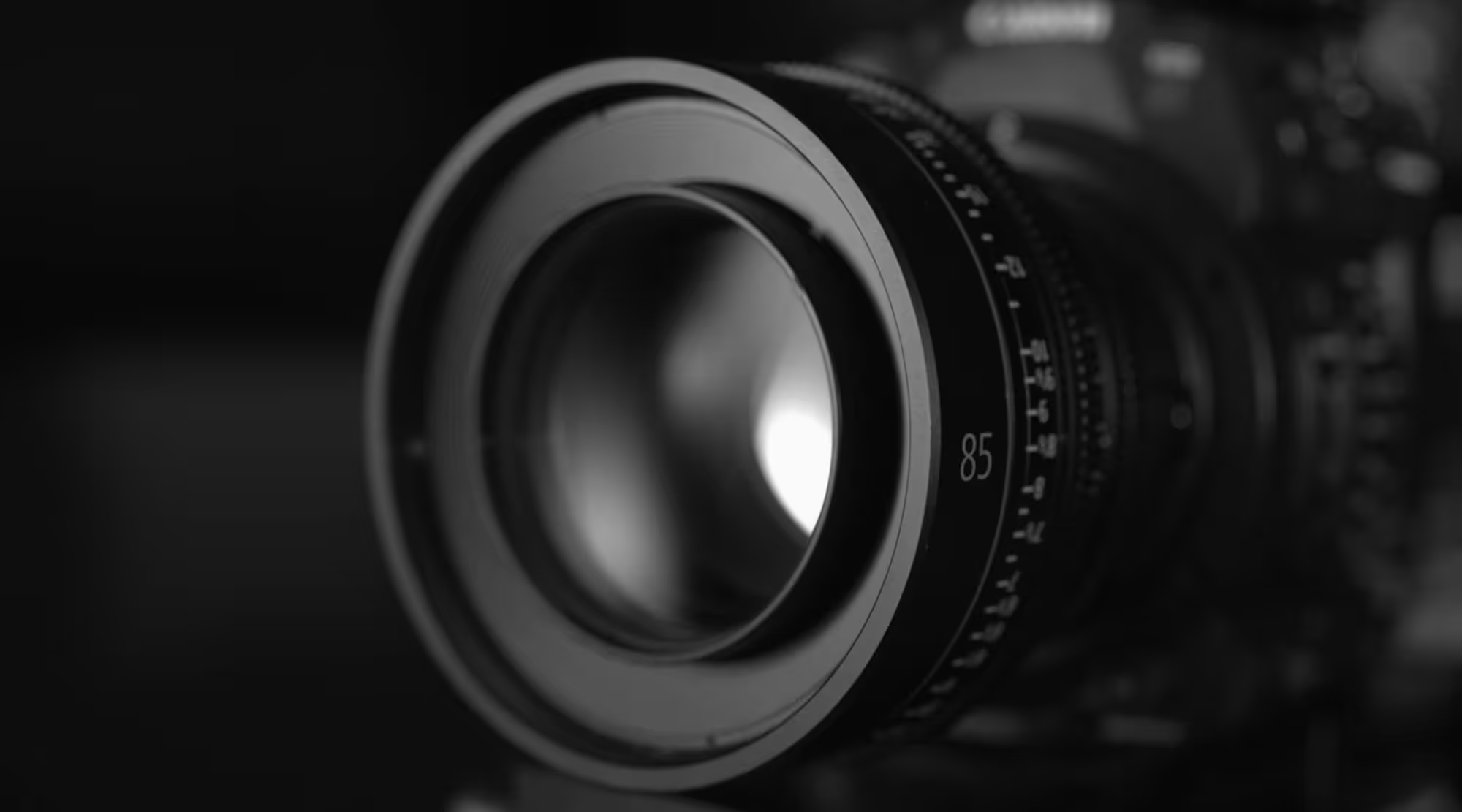
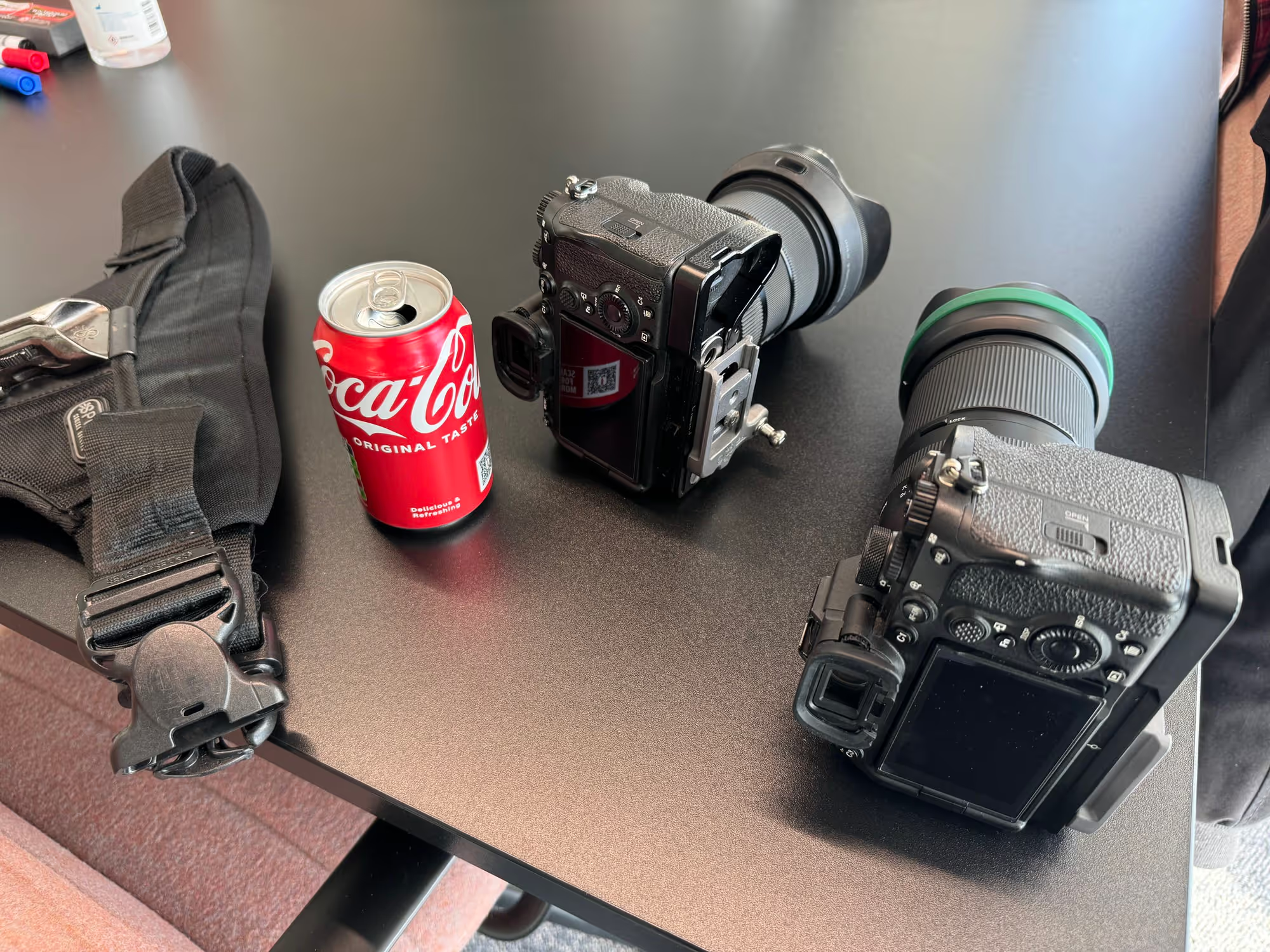
At Decoy, we use two cameras as standard for every event. This is not just for convenience; it is a critical safety measure. By carrying two professional bodies at all times, the backup is always on the photographer’s person. If a shutter fails or a card corrupts on one camera, the second is ready to go in a fraction of a second. This redundancy extends to lenses, flashes, batteries, and memory cards. When you hire a professional for PR Photography, you are paying for the peace of mind that comes with knowing the equipment will not be the "single point of failure."
Data Security and the Four-Copy Rule
Reliability is not just about the moment of capture; it is about what happens to those images afterward. Modern professional cameras feature dual-slot recording, meaning every time a photo is taken, it is instantly written to two separate memory cards. This protects against a card failure in the middle of a shoot.
Once the event concludes, our backup strategy is rigorous. As soon as the photos are transferred to the laptop and connected to our office network, four copies are immediately created. This includes local storage and an encrypted cloud backup. In the unlikely event of a hardware catastrophe, your event memories are already secure in multiple locations.
Technical Mastery: Lighting and Movement
Corporate environments present some of the most challenging lighting conditions imaginable. You might move from a dimly lit auditorium with a bright projector screen to a lobby with floor-to-ceiling windows and harsh afternoon sun.
Balancing Flash and Ambient Light
Knowing when to use flash and when to rely on ambient light is a key differentiator. A skilled photographer understands how to use bounce flash to mimic natural light, avoiding the harsh, flat look of direct flash. They also know when to turn the flash off entirely to capture the atmospheric, "moody" lighting of a gala or a tech presentation. The goal is to deliver a consistent look despite the changing environment.
Composition and Framing
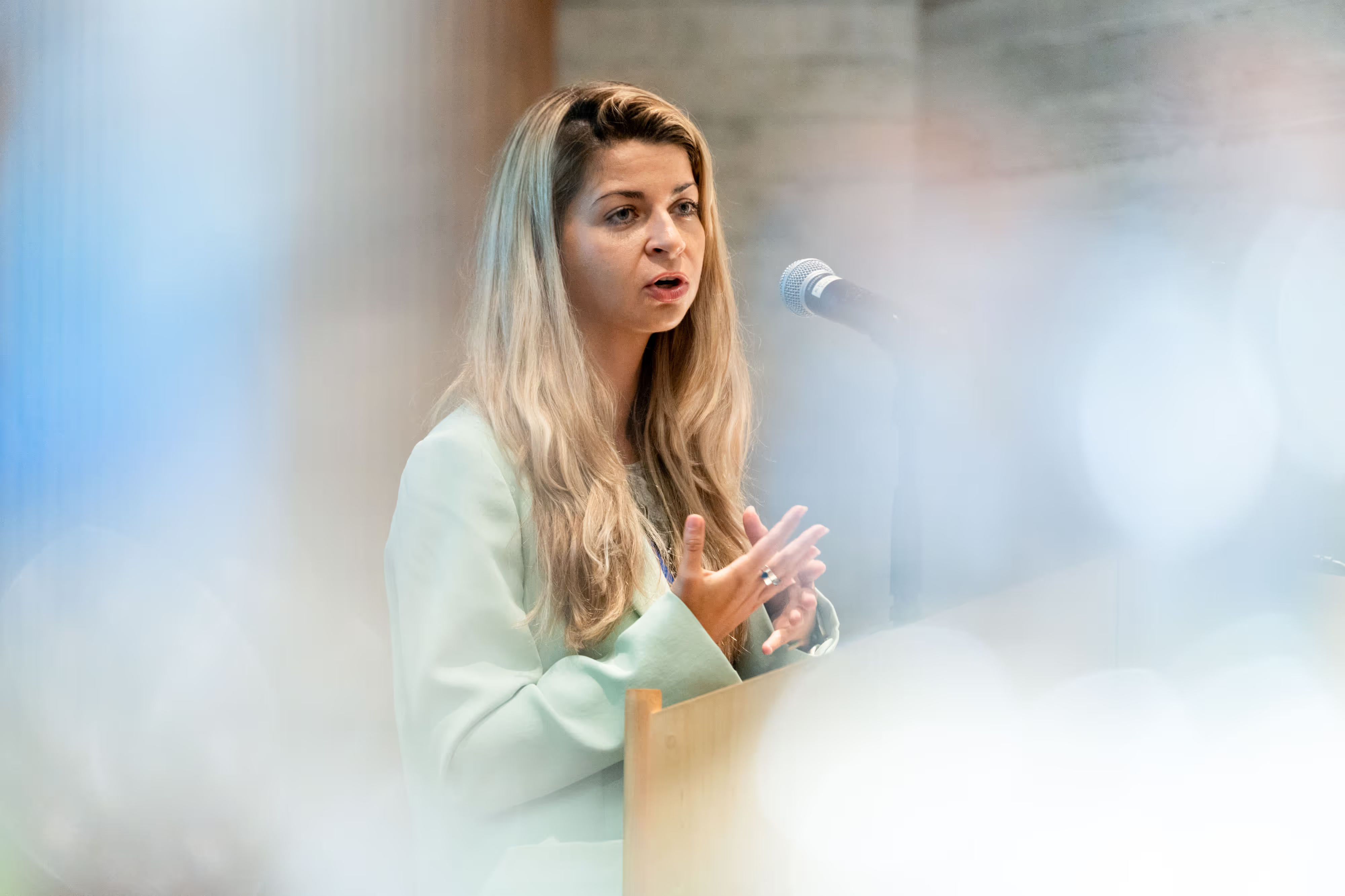
I always encourage a mix of wide, medium, and close-up angles to ensure the final set of photos is dynamic. We generally avoid 45-degree "Dutch angles," which can feel dated and disorienting. Instead, we use a shallow depth of field and foreground elements to add interest and depth to a shot while obscuring any background clutter.
Physical Proactivity
Great event photography is a physical job. To find the best angles, a photographer must be constantly moving. Whether it is walking the perimeter of a room to find a creative reflection in a glass partition or crouching low to use a row of chairs as a leading line, physical effort leads to better results.
Professional Conduct and Etiquette
A photographer is an extension of your team. Their presence should enhance the professional atmosphere, not detract from it.
Dressing for the Occasion
One of the most overlooked aspects of event photography is professional attire. Whether it is a "business casual" seminar or a "black tie" gala, a photographer should match the room. Dressing appropriately allows us to blend in and gain the trust of high-level delegates and VIPs. If a photographer looks like they belong at the event, they are far more likely to capture natural interactions without making guests feel guarded.
Maximising Coverage During Dining
There is an unspoken understanding in professional photography: we avoid photographing guests while they are eating. No one looks their best mid-bite, and it can feel incredibly intrusive. However, this does not mean the camera stops clicking. Instead of taking a break, I use this time to maximise your coverage. I will focus on capturing venue details, branding, or move to the side of the room that hasn't been served yet. This period is also perfect for performing data backups or prepping for the upcoming speeches.
Respecting Privacy and Opt-Outs
In the age of GDPR and increased privacy awareness, handling guest "opt-outs" is a priority. The best way to assist your photographer with this is by using something like a red lanyard for those who do not wish to be photographed. Because lanyards are near the face, they are incredibly easy for a photographer to spot through the viewfinder. Stickers on name badges are often too small to see from a distance or tend to come off throughout the day. Using clear, high-contrast visual cues ensures your guests' boundaries are respected. Learn more about handling GDPR and guest opt-outs at events.
The Human Element: Intuition and Direction
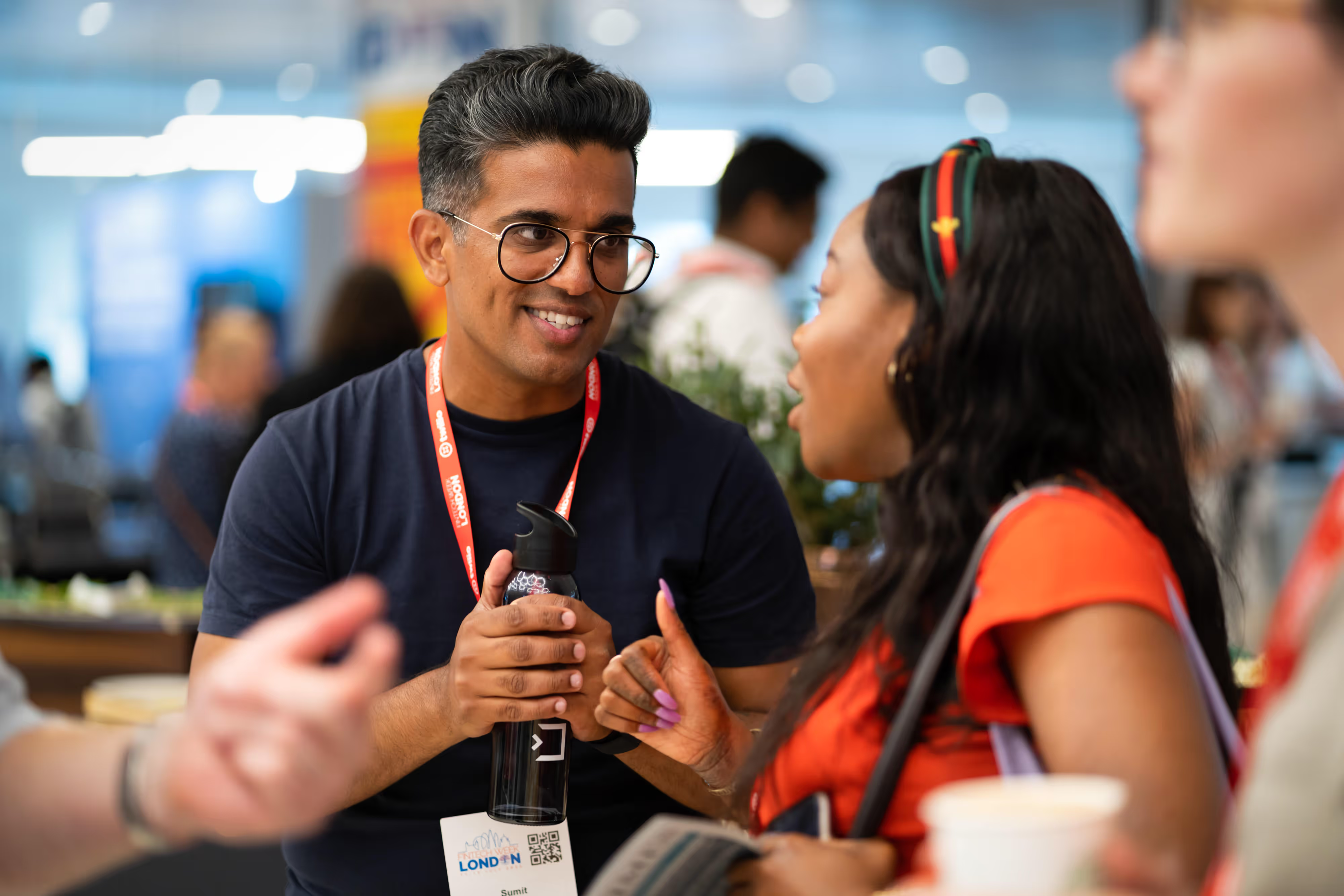
One of the most difficult skills to master is the ability to capture natural, flattering moments of people in conversation. Not all candid photos are good photos. A professional develops the intuition to wait an extra 30 seconds for a genuine smile or an animated gesture.
Capturing Engaged Crowds
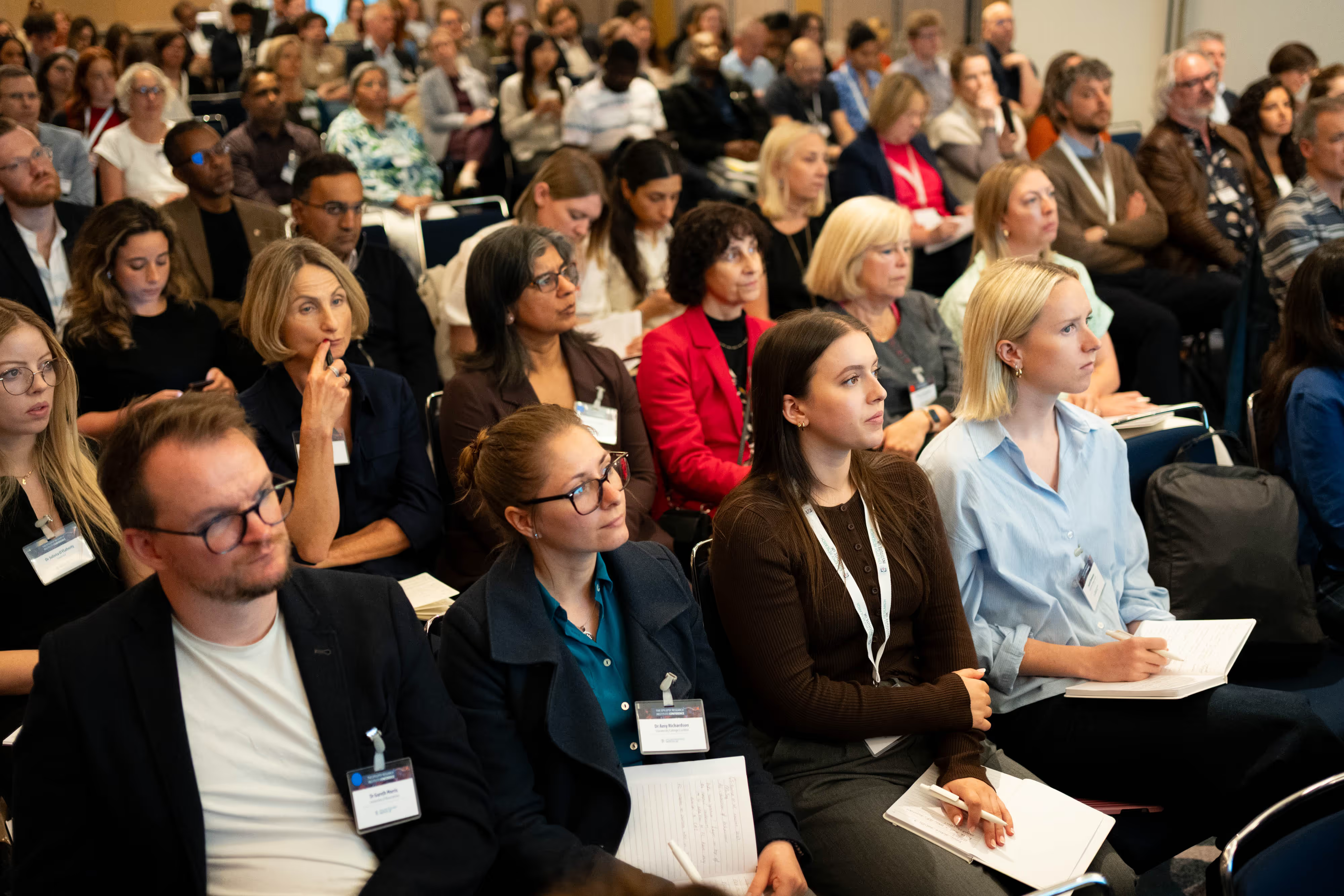
It is a specific skill to photograph an audience and make them look truly engaged. It involves scanning the room for the right faces and timing the shot so that people do not have their mouths wide open or their eyes half-closed. You want your event to look like a hub of activity and interest, and that requires a photographer who is selective about the moments they capture.
Taking the Reins
While much of the work at a corporate event is candid, there are moments where a photographer must be a director. Whether you need a formal group shot of the board or a quick photo of award winners, you need a photographer who is confident enough to give clear, polite direction to guests regardless of their seniority.
Telling the Full Story
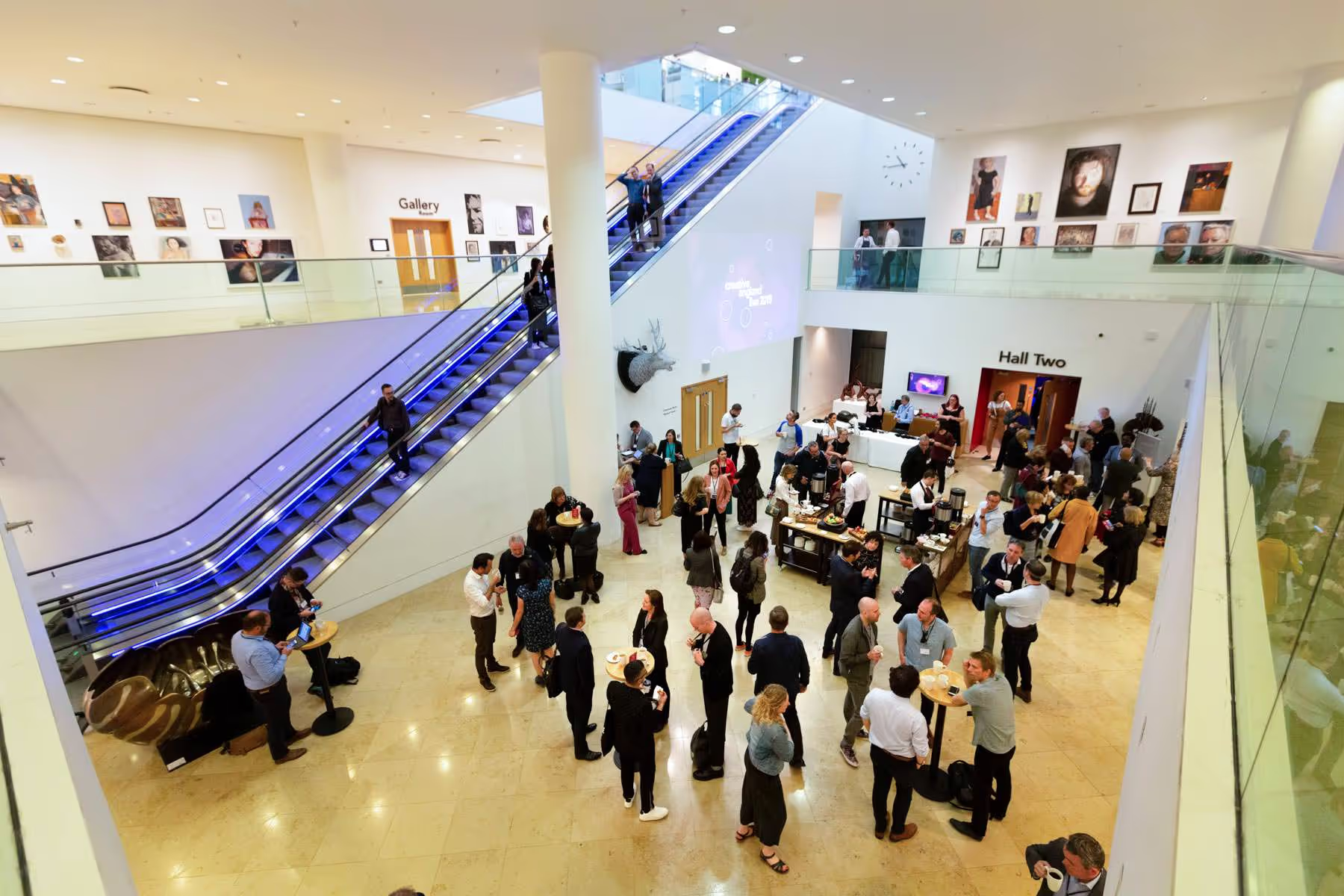
A good gallery should tell the story of the day from start to finish. This is why we focus heavily on the details that often go unnoticed but are vital for your marketing.
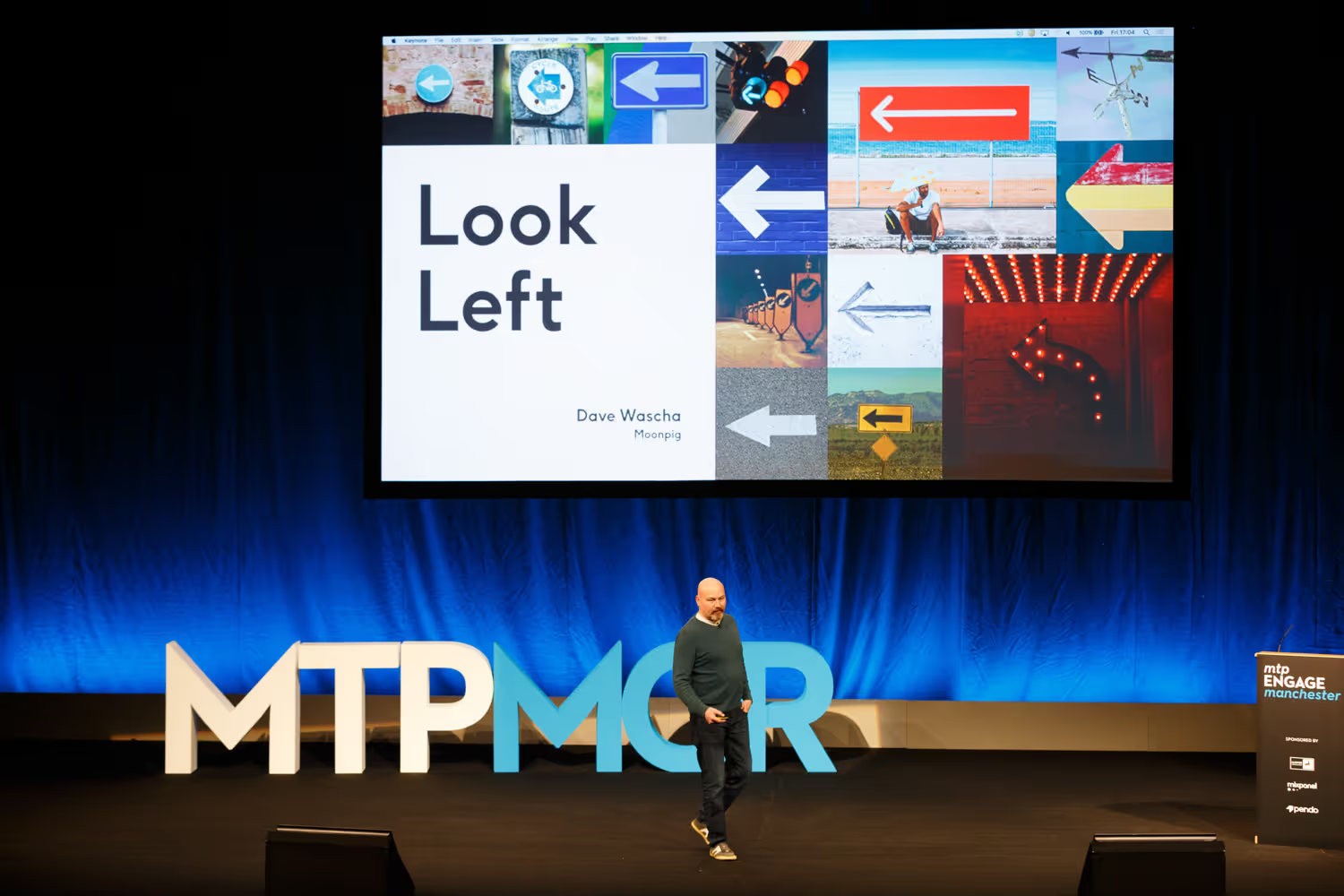
- Setting the Scene: Wide-angle shots showing the scale of the venue and the number of attendees.
- Branding and Sponsors: Ensuring that the people who funded the event get the visibility they deserve.
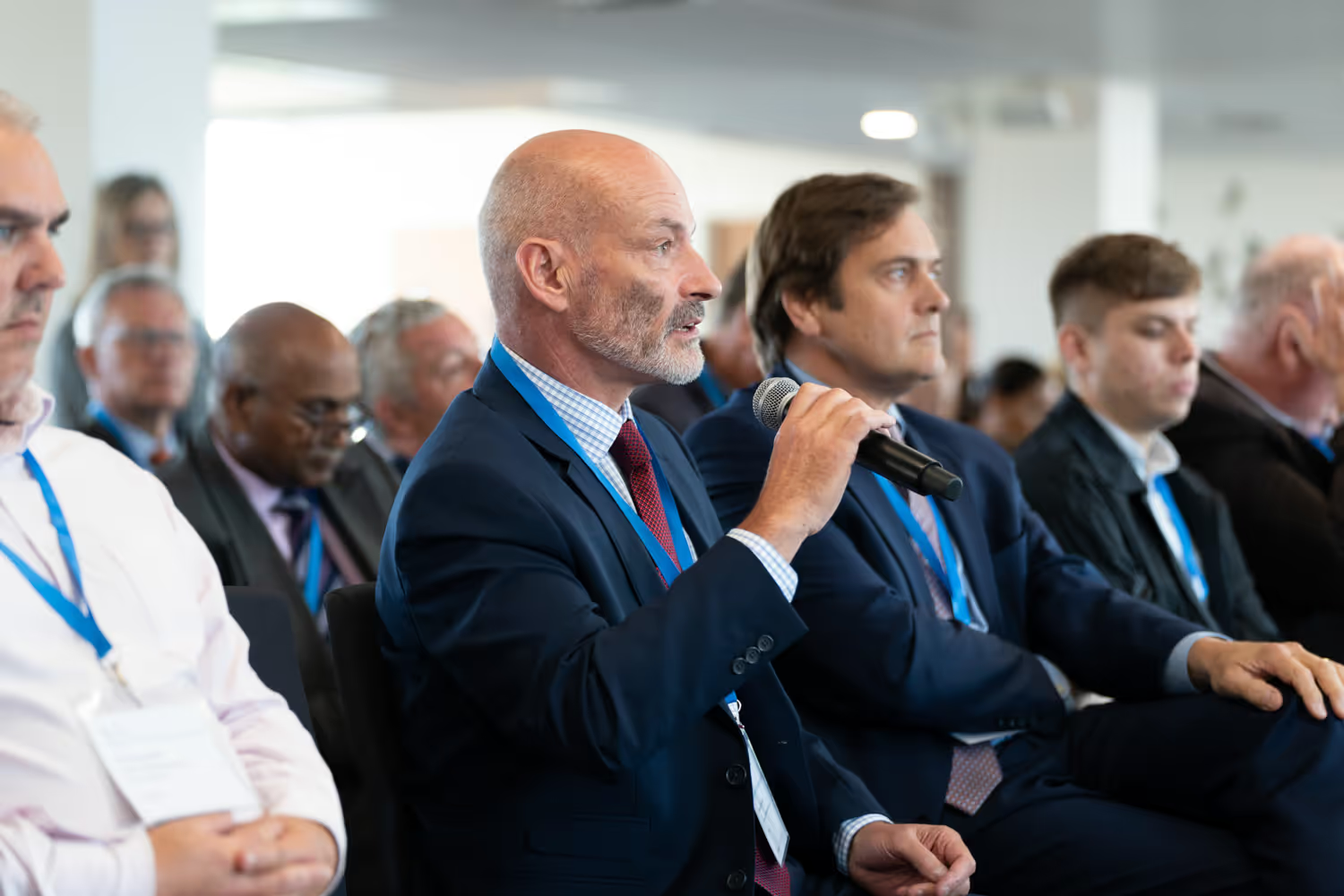
- Emotion and Interaction: Capturing the "buzz" of networking and genuine reactions.
To ensure all these elements are captured, preparation is essential. We always recommend that clients prepare a photography brief and a specific shot list.
Working in Harmony
A professional photographer should be proactive yet inconspicuous. They should be able to move through a room during a speech to get different angles without becoming a distraction to the guests or the speakers.
Furthermore, events often involve multiple suppliers, including videographers and event planners. A photographer with a "no-ego" approach is essential. Everyone needs to work in harmony to ensure the best possible outcome for the client.
Post-Event Strategy: Maximising Your Assets
The work does not end when the photographer leaves the venue. How you handle the images after the event is just as important as the shooting itself.
The Need for Speed
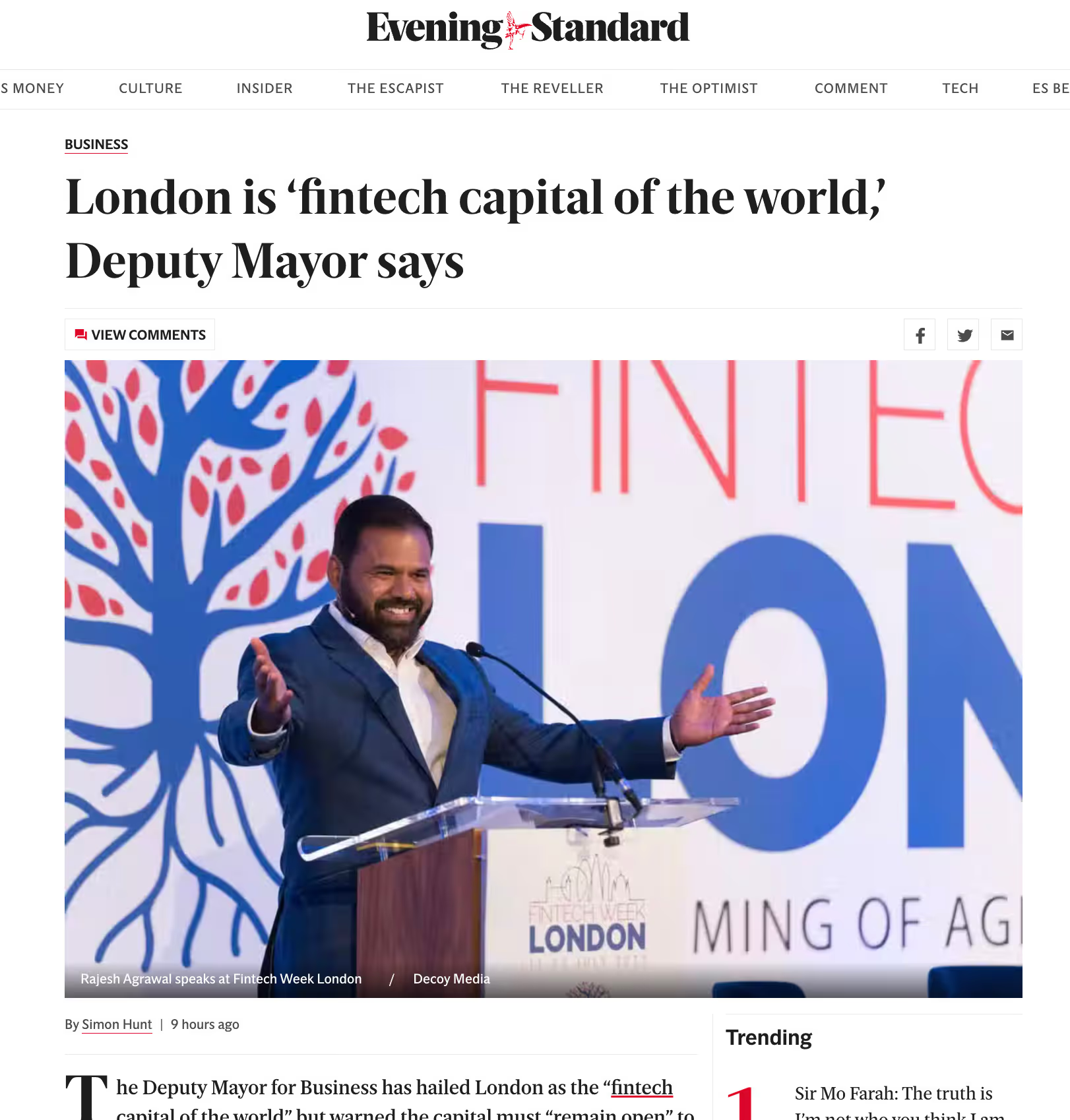
In the age of social media, the window of relevance for event content is small. We recommend that a selection of "highlights" should be shared within 12-48 hours of the event. These images can be used to engage attendees while the experience is still fresh.
Long-Term Value
When the wider set of hundreds of photos is delivered, you have a goldmine of marketing material. These images can be used to:
- Promote future events with high-quality "social proof."
- Replace generic stock images on your website with authentic photos of your actual team.
- Build a visual archive for annual reports and internal communications.
- Provide high-resolution assets for trade publications and media outlets.
By thinking of event photography as a long-term asset rather than a one-day expense, you can significantly increase the return on your investment.
Conclusion
Exemplary event photography is a combination of being in the right place at the right time and having the technical expertise to make that moment look its best. From carrying backup equipment at all times to having the patience to wait for a genuine smile, a professional photographer brings a level of discipline that ensures your event is captured perfectly.
Whether you are planning a small board meeting or a massive industry conference, the quality of your imagery will define how the world sees your brand.
If you would like to discuss photography for your upcoming event, we would love to hear from you. Please visit our contact page to get in touch.
Related insights

Get in touch to discuss your project and receive a free quote.
More insights & news
From creative vision to measurable results: explore our strategies for high-impact event coverage, brand consistency, and professional commercial production.

Photography Services
We specialise in professional imagery that tells your company’s story. While we are a leading event photographer in Manchester, we bring that same level of detail to capturing the people and personalities behind the brand.
From the energy of a major summit to the precision of a high-end executive session, we ensure every project is delivered with 15+ years of creative and technical expertise.